
Delving into Crohn’s Disease Treatments: Medication vs Lifestyle Changes, this introduction immerses readers in a unique and compelling narrative that explores the nuances of managing Crohn’s Disease through medication and lifestyle adjustments. From understanding the common types of medications to the significance of diet and exercise, this topic delves into the holistic approach to treating this condition.
As we navigate through the intricacies of Crohn’s Disease treatments, we uncover the symbiotic relationship between medication and lifestyle changes in effectively managing this chronic illness.
Medication for Crohn’s Disease
When it comes to treating Crohn's Disease, medications play a crucial role in managing symptoms and improving quality of life for patients. There are several common types of medications used in the treatment of this condition, each with its own mechanisms of action and effectiveness.
Types of Medications
- Corticosteroids: These medications help reduce inflammation in the digestive tract, providing relief from symptoms such as abdominal pain and diarrhea.
- Immunomodulators: These drugs work by suppressing the immune system to reduce inflammation and prevent the immune system from attacking the intestines.
- Biologics: Biologics target specific proteins in the body that are involved in the inflammatory response, helping to reduce inflammation and control symptoms.
- Aminosalicylates: These medications work by reducing inflammation in the lining of the intestines and are commonly used for mild to moderate cases of Crohn's Disease.
How Medications Work
- Corticosteroids: These medications mimic the effects of cortisol, a hormone produced by the adrenal glands, to reduce inflammation and suppress the immune response.
- Immunomodulators: By altering the activity of the immune system, immunomodulators help to reduce inflammation and prevent damage to the intestines.
- Biologics: These drugs target specific proteins, such as tumor necrosis factor-alpha (TNF-alpha), to block the inflammatory response and reduce symptoms of Crohn's Disease.
- Aminosalicylates: These drugs work by inhibiting the production of chemicals that cause inflammation in the intestines, helping to reduce symptoms and maintain remission.
Effectiveness of Medications
- While corticosteroids provide rapid relief of symptoms, they are not recommended for long-term use due to side effects such as weight gain and bone loss.
- Immunomodulators and biologics are effective in controlling symptoms and reducing inflammation, but they may increase the risk of infections and other serious side effects.
- Aminosalicylates are often used for maintenance therapy to prevent flare-ups in patients with mild to moderate Crohn's Disease, but they may not be effective for everyone.
Lifestyle Changes for Crohn’s Disease
Managing Crohn’s Disease through lifestyle changes is crucial in improving symptoms and overall quality of life for individuals. These changes often include modifications in diet, stress management, and regular exercise routines.
Dietary Modifications
- Following a low-residue diet can help reduce inflammation in the digestive tract and alleviate symptoms such as diarrhea and abdominal pain.
- Avoiding trigger foods like spicy foods, dairy, caffeine, and high-fiber items can prevent flare-ups and discomfort.
- Incorporating probiotics and foods rich in omega-3 fatty acids, such as fish, flaxseeds, and walnuts, can promote gut health and reduce inflammation.
Stress Management
- Practicing relaxation techniques like deep breathing, meditation, and yoga can help lower stress levels, which in turn can alleviate Crohn’s Disease symptoms.
- Engaging in hobbies, spending time with loved ones, and seeking therapy or counseling can provide emotional support and reduce anxiety associated with the condition.
- Setting boundaries, prioritizing self-care, and maintaining a positive outlook can help individuals cope with the challenges of living with Crohn’s Disease.
Importance of Regular Exercise
- Engaging in regular physical activity can improve digestion, reduce inflammation, and boost overall well-being for individuals with Crohn’s Disease.
- Activities like walking, swimming, and yoga are gentle on the body and can be beneficial for maintaining mobility and strength without exacerbating symptoms.
- Consulting with a healthcare provider or a physical therapist to develop a personalized exercise plan can ensure safe and effective workouts tailored to individual needs.
Combination Therapy
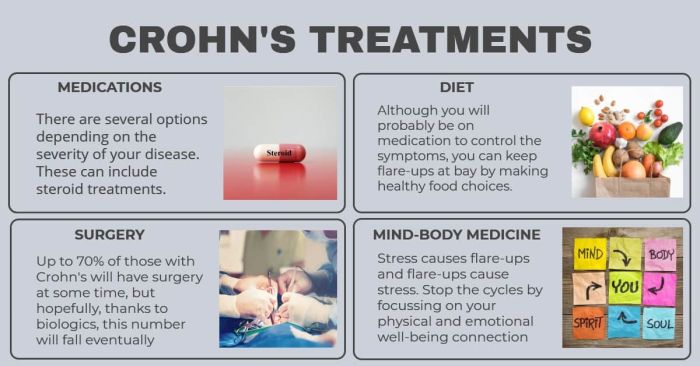
Combination therapy, which involves a mix of medication and lifestyle changes, has shown significant benefits in treating Crohn's Disease. By integrating both approaches, patients can often experience improved symptom management, reduced inflammation, and overall better quality of life.
Successful Treatment Plans
Some successful treatment plans that combine medication and lifestyle changes include:
- Using anti-inflammatory medications along with a diet rich in nutrients and low in trigger foods.
- Incorporating stress-reducing techniques such as mindfulness or yoga alongside prescribed medications.
- Regular exercise routines combined with medications to help maintain overall health and reduce inflammation.
Challenges and Considerations
Implementing a combination therapy approach for Crohn's Disease can come with challenges and considerations such as:
- Ensuring proper coordination between healthcare providers to monitor both medication usage and lifestyle changes.
- Finding the right balance between medication side effects and the benefits of lifestyle modifications.
- Adapting the treatment plan as needed based on the individual's response to medication and lifestyle adjustments.
Final Wrap-Up
In conclusion, the discussion on Crohn’s Disease Treatments: Medication vs Lifestyle Changes highlights the importance of a comprehensive approach that combines medical interventions with healthy lifestyle modifications. By acknowledging the significance of both aspects, individuals can strive towards better management of their condition and improved quality of life.
FAQ Resource
How do lifestyle changes impact Crohn’s Disease treatment?
Lifestyle changes, such as dietary modifications and stress management, play a crucial role in alleviating symptoms and improving overall well-being for individuals with Crohn’s Disease.
What are the benefits of combining medication and lifestyle changes in treating Crohn’s Disease?
Combining medication with lifestyle changes can enhance treatment effectiveness by addressing both the underlying condition and promoting overall health and wellness.
Is exercise important in the treatment of Crohn’s Disease?
Regular exercise is essential in managing Crohn’s Disease as it helps improve digestion, reduce inflammation, and boost overall immune function.