Embark on a journey of Simple Ways to Practice Sustainable Living with Kids, where we explore practical tips and creative ideas to instill eco-friendly habits in our children from a young age. Through engaging activities and informative discussions, this guide aims to inspire families to make a positive impact on the environment together.
As we delve deeper into various aspects of sustainable living, we discover how small changes in our daily routines can lead to significant benefits for the planet and future generations.
Introduction to Sustainable Living with Kids
Sustainable living refers to adopting practices that minimize harm to the environment and promote conservation of resources for the benefit of future generations. It involves making conscious choices to reduce waste, conserve energy, and protect natural ecosystems.
Teaching kids about sustainable practices is crucial in shaping their values and behaviors towards the environment. By instilling these principles early on, children can develop a strong sense of environmental responsibility and contribute to creating a more sustainable future.
Examples of How Sustainable Living Impacts the Environment
- Saving energy by turning off lights and electronics when not in use helps reduce greenhouse gas emissions and combat climate change.
- Reducing water usage through shorter showers and fixing leaks conserves this precious resource and protects freshwater ecosystems.
- Choosing reusable items over single-use plastics minimizes waste and prevents pollution in oceans and landfills.
- Supporting local and organic food sources promotes sustainable agriculture practices and reduces the carbon footprint of food production and transportation.
Incorporating Sustainable Habits into Daily Routine
Integrating sustainable habits into your daily routine with kids can be a rewarding experience that instills lifelong values of environmental consciousness. Starting small and gradually building on these practices can make the process more manageable and enjoyable for both you and your children.
Set a Recycling Station in Your Home
Designate an area in your home where kids can easily sort and recycle items like paper, plastic, glass, and metal. Make it a fun activity by decorating recycling bins and educating them on the importance of recycling to reduce waste and conserve resources.
Grow Your Own Food
Planting a small vegetable or herb garden with your kids not only teaches them about the process of growing food but also promotes sustainable living by reducing the carbon footprint associated with store-bought produce. Encourage them to water the plants, weed the garden, and harvest the fruits of their labor.
Reduce Energy Consumption
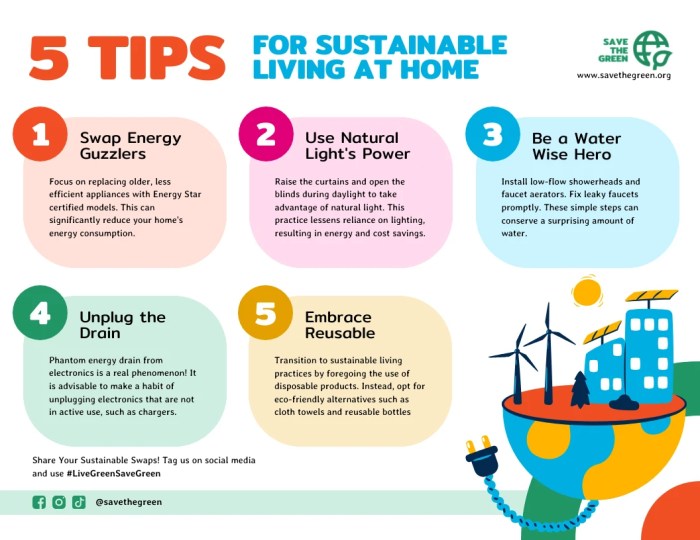
Teach your kids to turn off lights and electronics when not in use, use natural light during the day, and opt for energy-efficient appliances. By incorporating these habits into your daily routine, you can reduce your household's energy consumption and lower your carbon emissions.
Teaching Kids about Recycling and Waste Management
Teaching kids about recycling and waste management is crucial to instill sustainable habits from a young age. By understanding the concept of recycling and its impact on the environment, children can learn to reduce waste and protect our planet for future generations.
Explaining Recycling and Its Impact
Recycling is the process of turning used materials into new products to prevent waste of potentially useful materials. By recycling, we can conserve natural resources, reduce pollution, and decrease energy consumption. Teaching kids about recycling helps them understand the importance of reducing waste and taking care of the environment.
- Explain to kids the difference between recyclable and non-recyclable materials.
- Discuss how recycling helps in conserving resources like water, energy, and raw materials.
- Emphasize the impact of recycling on reducing greenhouse gas emissions and fighting climate change.
- Encourage kids to participate in recycling programs at home, school, and in the community.
Age-Appropriate Education on Waste Reduction
It's essential to tailor the information about waste reduction and recycling to suit the age and understanding of children. Here are some age-appropriate ways to educate kids about proper recycling practices:
- For preschoolers, use simple games or sorting activities to teach them about different types of waste and where they belong (recycling bin, trash bin, compost).
- Elementary school children can learn about the recycling process through interactive videos, books, and hands-on projects like creating recycled art or DIY compost bins.
- Teenagers can explore the impact of waste on the environment through research projects, volunteering at recycling centers, or organizing community clean-up events.
DIY Recycling Projects for Kids
Engaging kids in hands-on recycling projects can make learning about waste management fun and impactful. Here are some examples of DIY recycling projects for kids to get involved in:
- Create recycled paper crafts using old newspapers or magazines.
- Turn plastic bottles into planters for a mini herb garden.
- Make bird feeders from recycled materials like milk cartons or tin cans.
- Build a compost bin for organic waste like fruit peels and vegetable scraps.
Sustainable Food Choices and Meal Planning
Choosing sustainable food options is crucial for the health of our planet and future generations. By making conscious decisions about what we eat, we can reduce our carbon footprint, support local farmers, and promote a healthier environment.
Involving Children in Meal Planning and Preparation
Getting kids involved in meal planning and preparation is a great way to teach them about sustainability and healthy eating habits. Encourage them to help choose recipes, shop for ingredients, and even assist in cooking meals. This hands-on approach not only educates them about where food comes from but also instills a sense of responsibility towards the environment.
Examples of Sustainable Food Options
- Locally sourced produce: Buying fruits and vegetables grown in your region reduces transportation emissions and supports local farmers.
- Seasonal ingredients: Opting for seasonal produce not only ensures fresher and tastier meals but also reduces the need for energy-intensive greenhouse cultivation.
- Organic products: Choosing organic foods free from pesticides and chemicals helps protect the environment and promotes biodiversity.
Gardening and Composting with Kids
Gardening and composting are excellent ways to teach kids about sustainability while actively engaging them in environmentally friendly practices.
Benefits of Gardening and Composting
Gardening and composting offer numerous benefits for sustainable living, such as:
- Teaching kids about the importance of nature and the environment
- Encouraging responsibility and care for living things
- Promoting healthy eating habits through homegrown produce
- Reducing food waste and creating nutrient-rich soil for plants
Easy Gardening Projects for Kids
Introduce kids to gardening with these fun and simple projects:
- Planting herbs in small pots or a windowsill garden
- Creating a vegetable patch in the backyard
- Starting a flower garden to attract pollinators
- Building a worm composting bin for vermicomposting
Getting Kids Involved in Composting
Composting is a great way to reduce food waste and teach kids about the natural cycle of decomposition. Here's how children can actively contribute to composting:
- Sorting food scraps for composting bins
- Turning and aerating the compost pile to speed up decomposition
- Using finished compost to nourish plants in the garden
Ending Remarks
In conclusion, Simple Ways to Practice Sustainable Living with Kids offers a roadmap for families to embrace sustainability in a meaningful way. By empowering children with knowledge and engaging them in eco-conscious practices, we pave the way for a greener and healthier future for all.
Helpful Answers
How can I make sustainable living fun for my kids?
You can engage children in fun activities like upcycling crafts, gardening, or organizing eco-friendly scavenger hunts to make sustainable living enjoyable and educational.
Why is it important to teach kids about recycling?
Teaching kids about recycling instills essential values of environmental responsibility and resource conservation from a young age, shaping them into eco-conscious individuals.
What are some easy ways to incorporate sustainable habits into our daily routines with kids?
You can start by reducing plastic use, conserving energy, and practicing mindful consumption together as a family to make sustainability a part of your everyday life.